Professional Drug, Meth, and Fentanyl Decontamination Services in Washington State
Drug contamination from methamphetamine and fentanyl leaves behind invisible but highly toxic residues. Proper decontamination requires certified procedures and compliance with strict state regulations.
Baxter Biohazard provides professional drug, meth, and fentanyl decontamination services throughout Washington State.
24/7/365 Availability. Certified. Compassionate. Trusted.

If you are experiencing an emergency, call us 24/7.
First Response Team
Emergencies don't wait, and neither do we. Baxcon's First Response Team operates 24/7/365, ensuring that we're on-site the same day you call to assess and manage your restoration needs.
Our First Response Team guarantees:
- 24/7/365 emergency response
- 1 hour or less reply time
- On-site the same day you call
- Site security, tarping & board-up
- Packing, cleaning & storing the building contents
- Assisting with any insurance claims & documentation
- Balancing professional expertise with emotional support
Whether you're dealing with a crime scene, trauma, or hazardous materials, we can provide immediate and professional support.
1. What Is Drug, Meth, or Fentanyl Cleanup Services & When Is It Needed?
Drug, meth, and fentanyl decontamination is a specialized biohazard remediation service focused on identifying, removing, and neutralizing hazardous drug residues from indoor environments. Unlike standard cleaning, this service follows state-regulated procedures designed to protect occupants from toxic exposure and prevent cross-contamination.
This service is required when a property has been exposed to illegal drug use, manufacturing, or accidental contamination. Because methamphetamine and fentanyl residues are invisible to the naked eye, professional assessment, testing, and treatment are critical to ensuring safety.
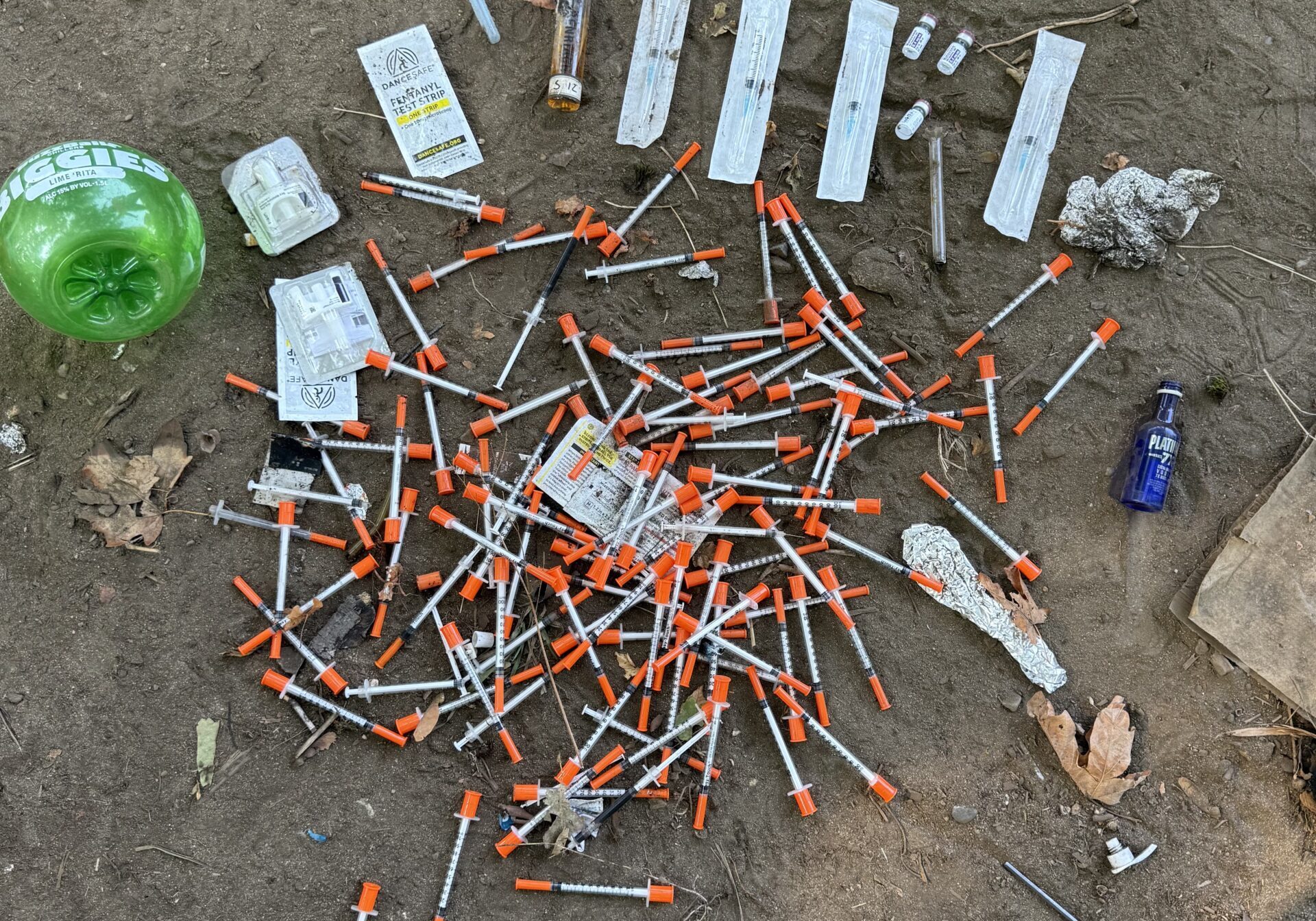
Common situations that require drug decontamination include:
- Properties with confirmed or suspected meth or fentanyl use
- Former drug manufacturing or distribution sites
- Police activity, raids, or law enforcement investigations
- Rental properties or short-term rentals with unknown exposure
- Vehicles contaminated by drug use or overdoses
- Hotels, workplaces, or public facilities with exposure concerns
- Hoarding situations involving drug residue and biohazards
- Properties requiring state clearance documentation
Drug residues can remain on surfaces for years if not properly treated.
Porous materials such as carpet, drywall, insulation, upholstery, and particle board are especially vulnerable and often must be removed rather than cleaned.
Drug decontamination is not cosmetic—it is a health-critical service required to restore safety and compliance.
At Baxter Biohazard, we believe that handling biohazards is about more than just cleaning; it's about protecting your health, restoring your environment, and minimizing emotional and physical risks.
2. Why Is It Dangerous to Handle Drug, Meth, or Fentanyl Cleanup Without a Professional?
Attempting drug, meth, or fentanyl cleanup without proper training and certification can put everyone involved at serious risk.
Consumer cleaning products, standard PPE, and general contractors are not equipped to handle toxic drug residues or meet state requirements.

Invisible contamination
Drug residues cannot be seen, smelled, or easily detected without proper testing.
A space may appear clean while hazardous contamination remains embedded in surfaces and materials.
This false sense of safety increases the risk of ongoing exposure for occupants and workers.
Incorrect cleaning agents
Many household or commercial cleaners are not designed to neutralize methamphetamine or fentanyl residues.
These substances require specific chemicals, concentrations, and dwell times to be effective.
Using improper products can leave dangerous residue behind or spread contamination further.
Cross-contamination
Without proper containment, drug residue can easily spread to clean areas of a property.
HVAC systems, footwear, tools, and clothing can transfer contaminants throughout the space.
This can significantly expand the scope of contamination and increase cleanup costs.
Direct exposure risks
Improper handling increases the risk of inhalation, skin absorption, or accidental ingestion of toxic substances.
Fentanyl is especially dangerous, as even trace exposure can cause severe health reactions.
Untrained individuals face serious medical risks when attempting cleanup.
Improper waste disposal
Drug-contaminated materials must be removed, transported, and disposed of according to regulated procedures.
Disposing of these materials improperly can expose others and violate state or environmental regulations.
This can result in fines, penalties, or additional remediation requirements.
Legal and liability issues
Property owners, landlords, and employers may be held liable if cleanup is performed incorrectly.
Failed inspections, denied insurance claims, or tenant health issues can create long-term legal and financial consequences.
Using certified professionals helps protect against these risks.
3. Why Choose Baxter Biohazard for Drug, Meth, and Fentanyl Decontamination Services?
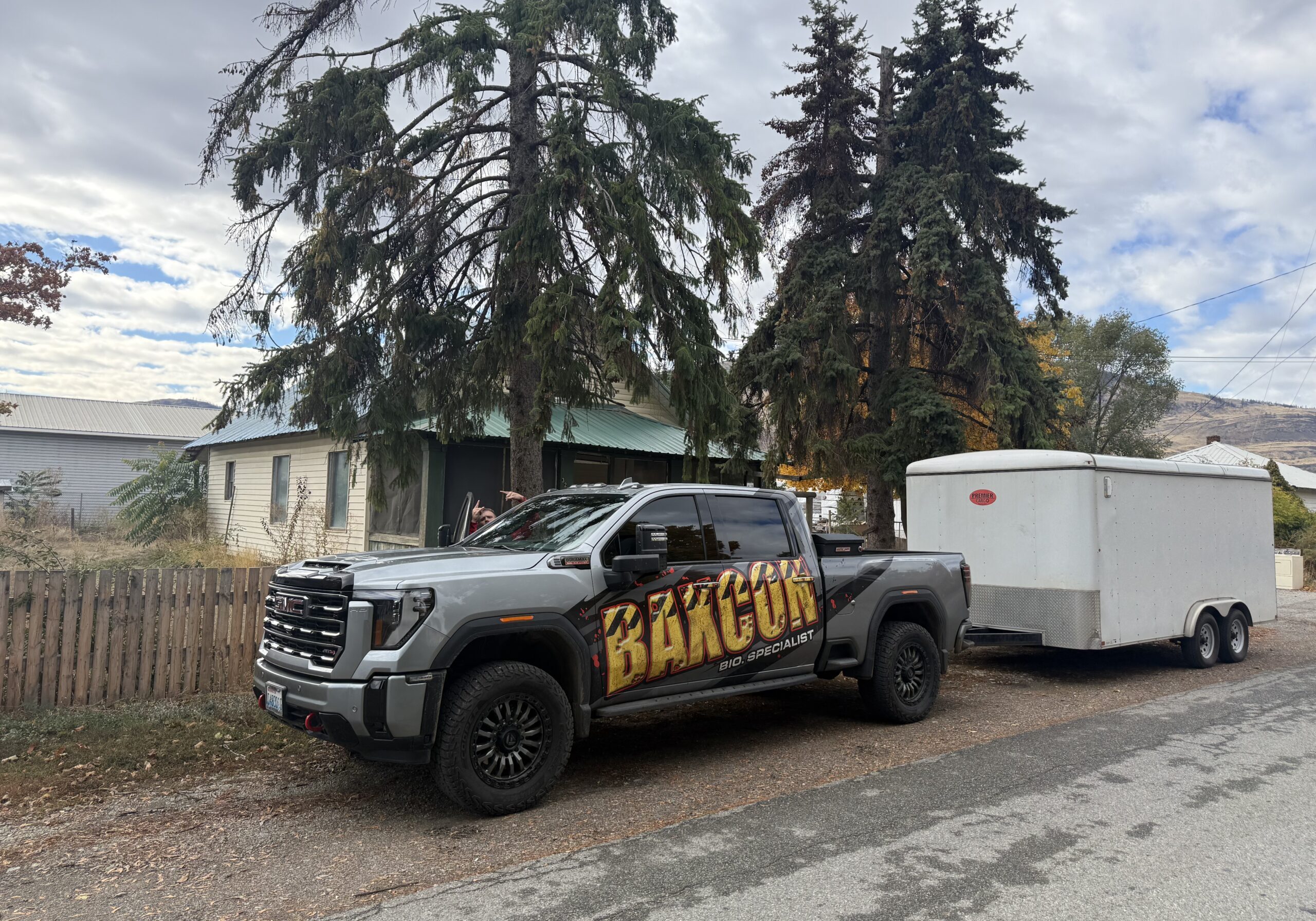
Baxter Biohazard is not a franchise or an out-of-town operation.
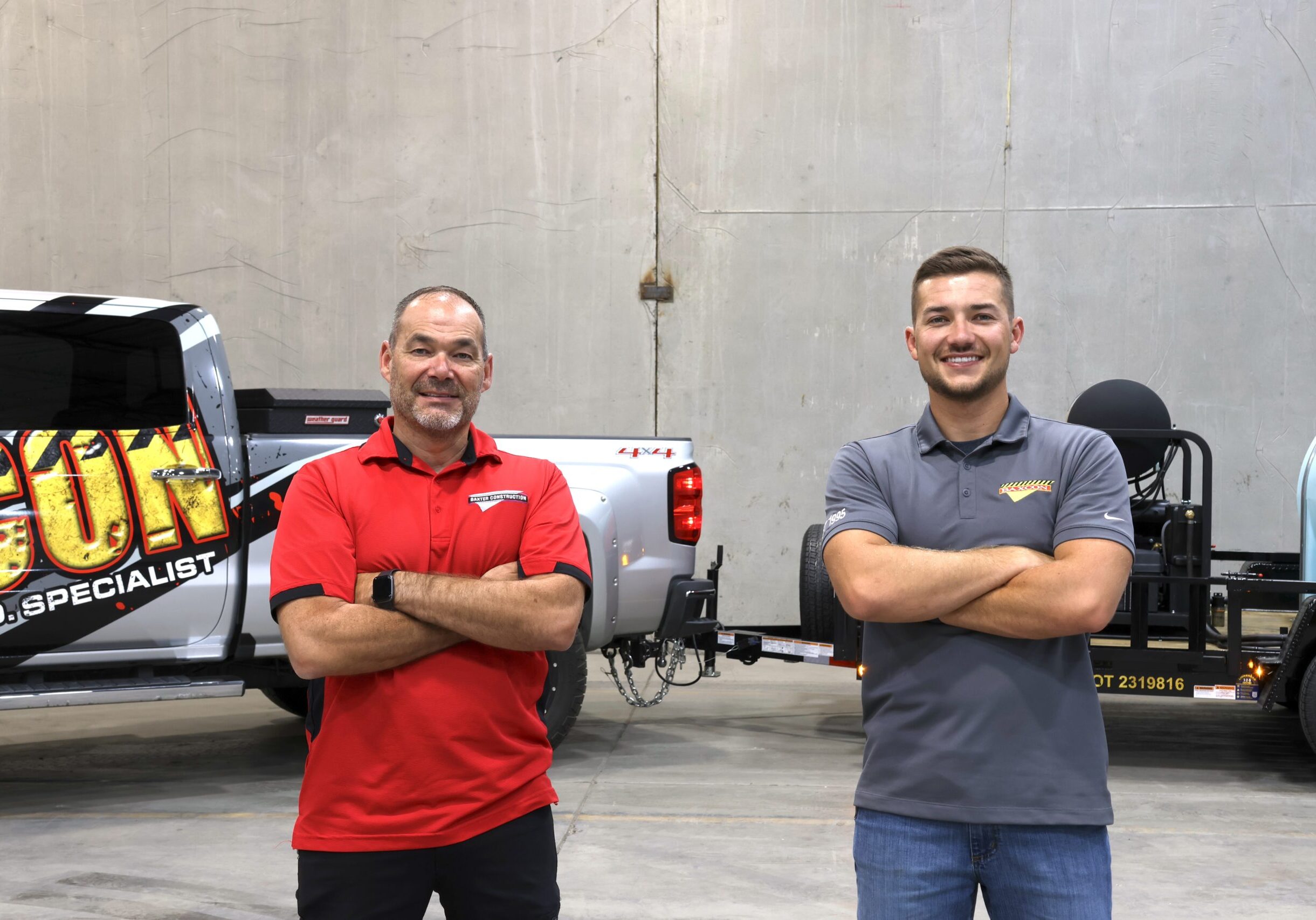
We are a local, family-owned company serving Yakima and communities throughout Washington State, backed by the experience and infrastructure of Baxter Construction & Restoration.
Specialized Training & Certifications
Our technicians are trained in biohazard remediation, drug residue control, and OSHA-compliant safety procedures.
We follow Washington State requirements for meth and fentanyl decontamination, including proper sampling, PPE, containment, cleaning protocols, and regulated waste handling.
24/7 Emergency Response
Drug contamination issues often arise unexpectedly during inspections, police activity, or tenant turnover.
Baxter Biohazard offers 24/7 emergency response throughout Washington State to address exposure risks quickly and reduce delays.
4. Our Step-By-Step Drug, Meth, and Fentanyl Decontamination Services Process
Every drug, meth, and fentanyl decontamination project follows a structured process designed to ensure safety, compliance, and thorough remediation.
Each step is performed according to Washington State regulations and industry-recognized standards.
This approach minimizes exposure risks, prevents cross-contamination, and ensures toxic residues are properly addressed.
The result is a space that is safe for reoccupancy and supported by clear, professional documentation.
Step 1: Site Assessment & Access Control
Once the site is safe to enter, our team evaluates affected areas, identifies contamination zones, and determines potential spread pathways.
Access is controlled to prevent further contamination.
Step 2: Documentation & Authorization
We document the scope of contamination and coordinate with property owners, landlords, insurers, or other parties before work begins.
Step 3: PPE & Containment Setup
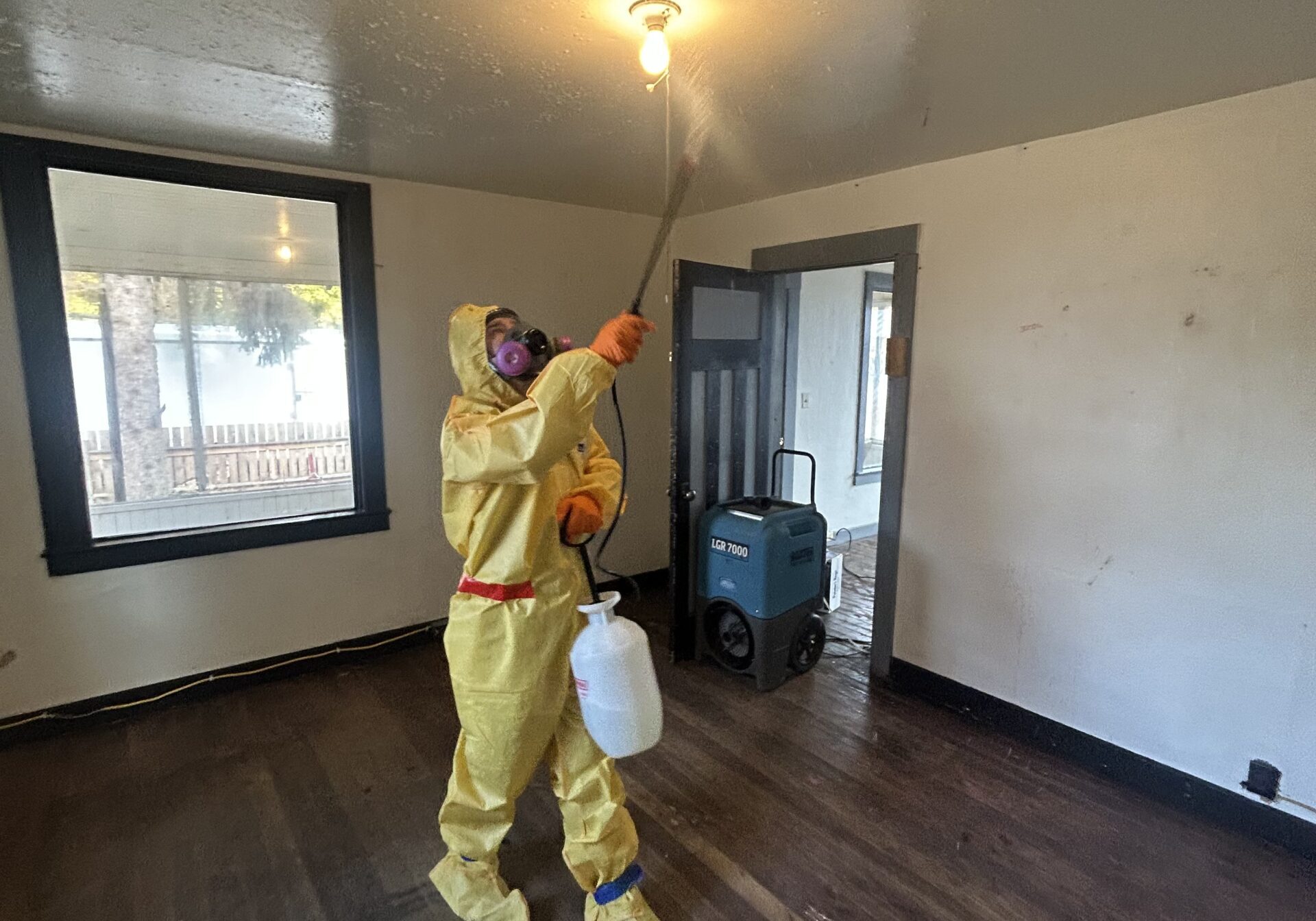
Technicians wear full personal protective equipment, which may include:
- Full-face or half-face respirators
- Protective suits
- Gloves and boot covers
Containment barriers are installed when required to isolate affected areas.
Step 4: Sampling & Area Preparation
State-regulated sampling is conducted to determine contamination levels.
Salvageable items are protected or removed to prevent cross-contamination during the decontamination process.
Step 5: Removal of Contaminated Materials
Materials that cannot be safely decontaminated—such as carpet, drywall, insulation, and porous furnishings—are removed and disposed of as regulated waste.
Step 6: Deep Cleaning & Decontamination
All remaining surfaces are thoroughly cleaned using approved methods designed to neutralize meth and fentanyl residues.
High-risk and high-contact areas receive focused treatment.
Step 7: Clearance Testing & Verification
Post-decontamination sampling is performed to confirm residue levels meet Washington State clearance standards before the space is released for occupancy.
Step 8: Restoration Coordination (If Required)
If structural materials were removed, we coordinate directly with Baxter Construction & Restoration to complete repairs and return the property to a safe, usable condition.