Professional Vehicle Decontamination Services in Washington State
Vehicle biohazard contamination can occur after accidents, medical emergencies, or traumatic events. Blood and bodily fluids cannot be safely removed with standard detailing methods.
Baxter Biohazard provides professional vehicle biohazard cleanup services throughout Washington State.
24/7/365 Availability. Competent. Compassionate. Trusted.

If you are experiencing an emergency, call us 24/7.
First Response Team
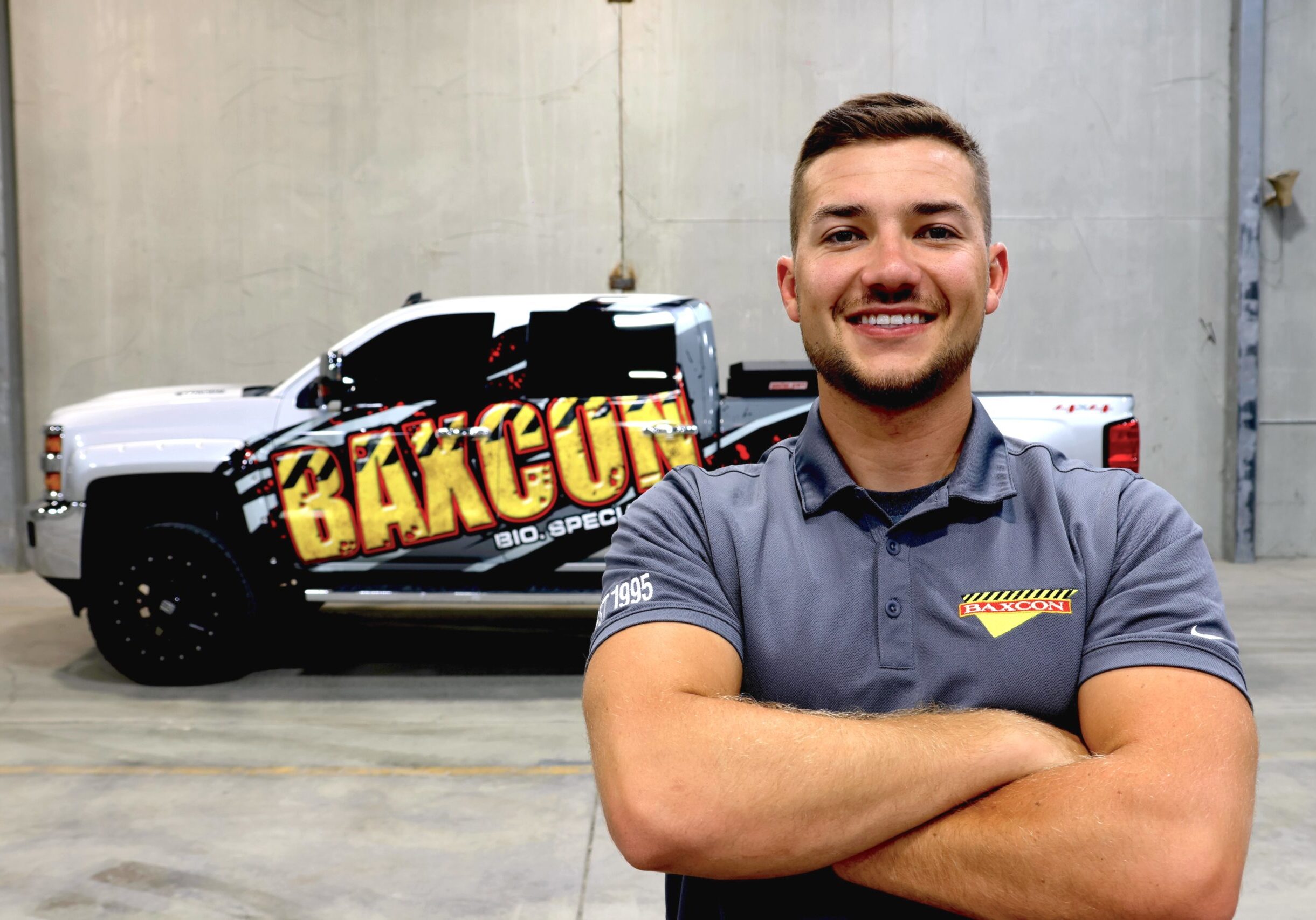
Emergencies don't wait, and neither do we. Baxcon's First Response Team operates 24/7/365, ensuring that we're on-site the same day you call to assess and manage your restoration needs.
Our First Response Team guarantees:
- 24/7/365 emergency response
- 1 hour or less reply time
- On-site the same day you call
- Site security, tarping & board-up
- Packing, cleaning & storing the building contents
- Assisting with any insurance claims & documentation
- Balancing professional expertise with emotional support
Whether you're dealing with a crime scene, trauma, or hazardous materials, we can provide immediate and professional support.
1. What Is Vehicle Scene Clean Up Services & When Is It Needed?
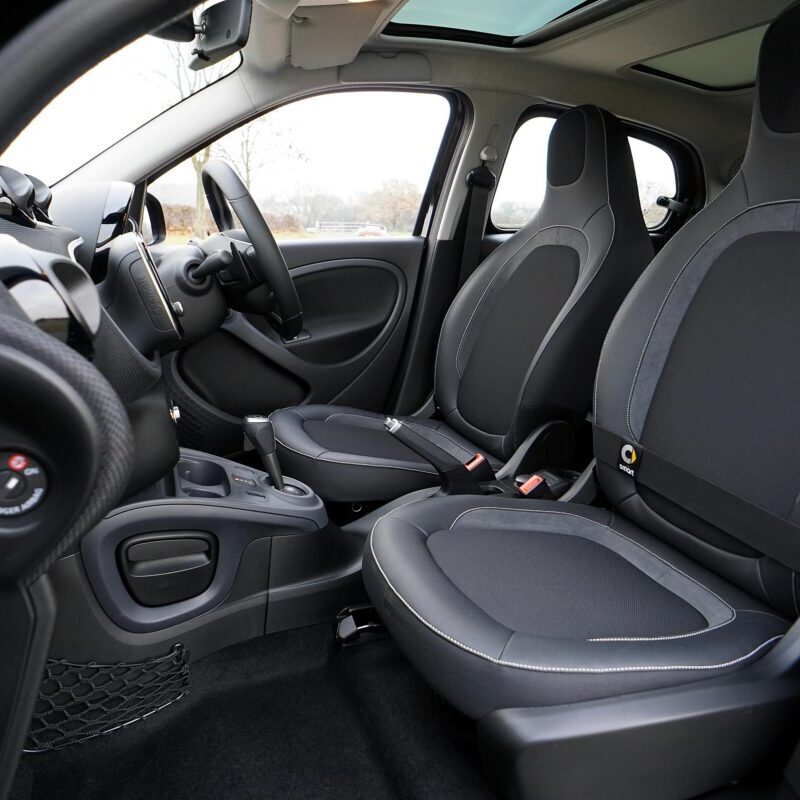
Vehicle biohazard cleanup is a specialized remediation service required when blood, bodily fluids, or other potentially infectious materials contaminate a car, truck, van, or commercial vehicle.
These incidents are often sudden, traumatic, and overwhelming, and standard detailing or cleaning services are not equipped to safely address the health risks involved.
Proper cleanup requires specialized training, protective equipment, and regulated disposal procedures to ensure the vehicle is truly safe to occupy again.
-
Suicides or suicide attempts inside a vehicle
-
Homicides or violent crimes involving a vehicle
-
Unattended deaths discovered in cars or trucks
-
Accidents involving significant blood or bodily fluids
-
Medical emergencies occurring during transport
-
Situations involving feces, urine, or other biological waste
When law enforcement or emergency responders are involved, their role is investigation and life safety—not cleanup.
Once the vehicle has been officially released, responsibility for proper decontamination falls to the vehicle owner, family, employer, or insurance provider.
This is where professional vehicle biohazard cleanup becomes essential.
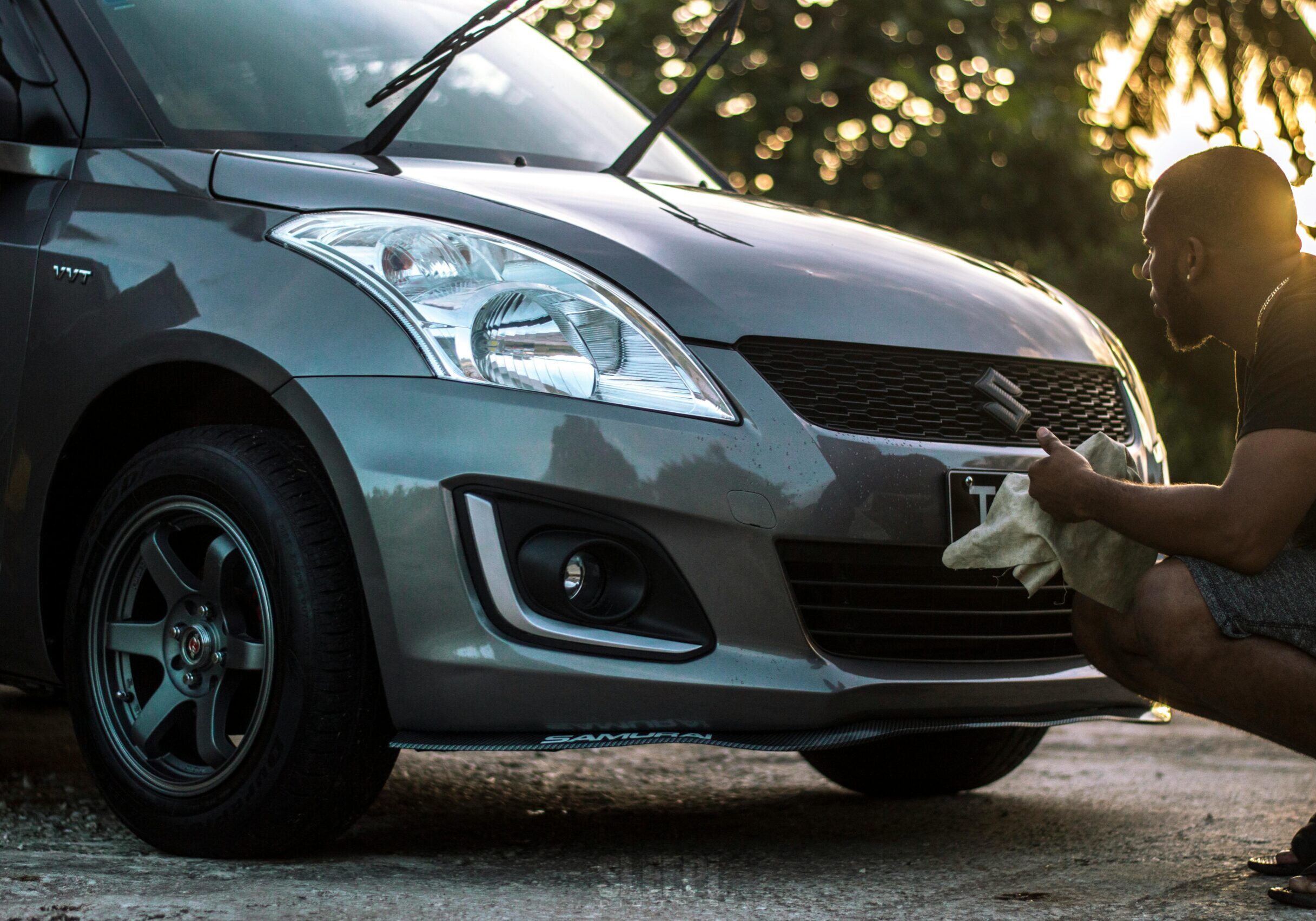
Vehicle cleanup is not about cosmetic detailing or odor masking. Blood and bodily fluids can penetrate seats, carpets, padding, door panels, dashboards, trunks, and HVAC systems.
Pathogens and odors can remain long after visible signs are gone, creating serious health risks and making the vehicle unsafe to drive or occupy.
We are often called during some of the most difficult moments people experience. Our role is to remove the physical contamination while handling the situation—and everyone affected—with care, discretion, and respect.
At Baxter Biohazard, we believe that handling biohazards is about more than just cleaning; it's about protecting your health, restoring your environment, and minimizing emotional and physical risks.
2. Why Is It Dangerous to Handle Biohazard-Contaminated Vehicle Clean Up Without a Professional?
Attempting to clean a biohazard-contaminated vehicle without professional training and equipment can expose occupants to serious and lasting health risks.
Even when contamination appears minor or localized, biological hazards often spread into hidden areas of the vehicle.
Serious Health Risks
Blood and bodily fluids may contain pathogens such as:
-
Hepatitis B and C
-
HIV
-
MRSA
-
E. coli and other bacteria
-
Viruses and bio-contaminants invisible to the naked eye
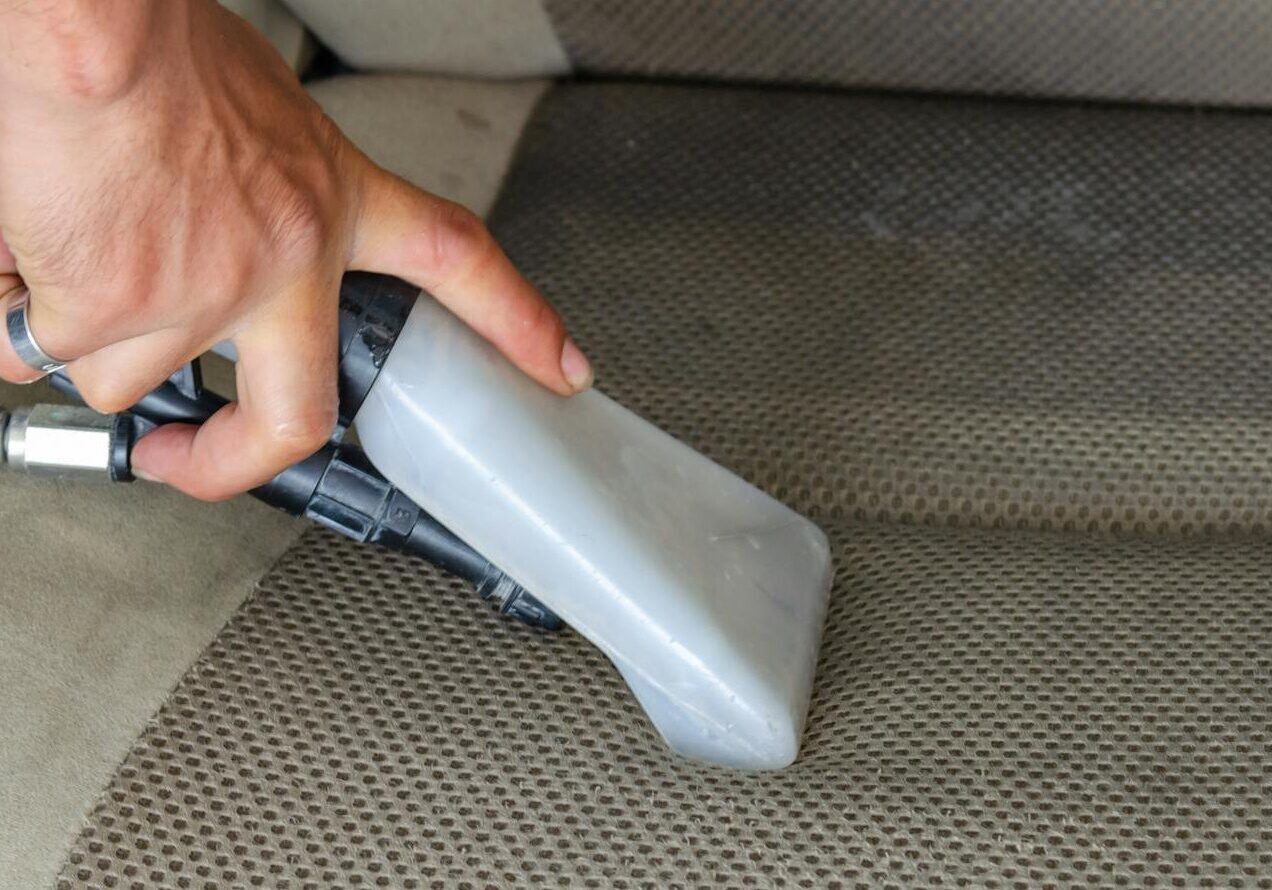
Standard car cleaners, steam cleaning, or ozone treatments do not properly neutralize these risks. Improper cleaning can spread contamination to other parts of the vehicle or expose the person attempting cleanup through direct contact or inhalation.
Structural Contamination
Vehicle interiors are built with multiple layers of absorbent materials. Fluids can soak into:
- Seat foam and upholstery
- Carpet and padding
- Door panels and headliners
- Trunks and spare tire wells
- HVAC and ventilation systems
Surface-level cleaning leaves contamination behind, often leading to persistent odors, corrosion, and ongoing exposure risks.
Legal & Environmental Liability
Biohazard waste must be handled, transported, and disposed of according to state and federal regulations. Improper disposal can result in:
-
Environmental contamination
-
Legal penalties or fines
-
Exposure risks for sanitation workers or mechanics
Professional biohazard companies follow strict protocols to ensure waste is safely contained and disposed of at approved facilities.
Risk of Cross-Contamination
Without proper containment, biohazard contaminants can easily spread beyond the vehicle.
Clothing, tools, and footwear used during DIY cleanup can transfer bloodborne pathogens into homes, workplaces, or other vehicles.
Professional biohazard technicians follow strict containment and decontamination protocols to prevent secondary exposure.
Incomplete Odor Removal & Hidden Damage
Persistent odors are often caused by biological contamination trapped deep within seat foam, carpeting, or ventilation systems.
DIY cleaning may mask smells temporarily but does not eliminate the source.
Professional cleanup removes hidden contamination, prevents long-term interior damage, and helps protect the vehicle’s value.
Liability Risks for Future Occupants
Improper cleanup can leave behind invisible biohazards that endanger future drivers and passengers.
If a vehicle is sold, leased, or returned to service, undisclosed contamination may create health risks and legal liability.
Professional cleanup provides documentation verifying the vehicle was properly decontaminated and safe to use.
3. Why Choose Baxter Biohazard for Biohazard-Contaminated Vehicle Clean Up Services?
Baxter Biohazard is a family-owned company providing professional vehicle biohazard cleanup services throughout Washington State, backed by the experience and infrastructure of Baxter Construction & Restoration.
We bring the same level of care, precision, and professionalism to vehicle cleanup as we do to residential and commercial biohazard work.

Specialized Training & Certifications
Our technicians are specifically trained in biohazard remediation, including:
- Bloodborne pathogen training
- OSHA compliance
- Proper use of personal protective equipment (PPE)
- Safe removal and disposal of contaminated materials
- Advanced sanitization and odor control methods
- We follow industry best practices and regulatory standards to ensure every scene is handled correctly and safely.
24/7 Emergency Response
Traumatic events don’t happen on a schedule. That’s why we provide 24/7 response, including nights, weekends, and holidays.
Once the area is clear, we can mobilize quickly to reduce delays and help families move forward sooner.
4. Our Step-By-Step Biohazard-Contaminated Vehicle Clean Up Process
Biohazard-contaminated vehicle cleanup requires a structured, compliant process designed to protect health, prevent cross-contamination, and ensure no affected material is overlooked.
Once the area is clear, our trained technicians follow a clear step-by-step approach using specialized equipment, protective gear, and hospital-grade disinfectants.
Step 1: Vehicle Release & Authorization
Cleanup begins only after the vehicle has been released by law enforcement or authorities and proper authorization is received.
Step 3: Safety & Containment
Technicians wear full PPE, including protective suits, gloves, and respirators, and establish containment to prevent cross-contamination.
Step 4: Pre-Sanitization & Protection
Affected areas are pre-treated to reduce pathogen spread before removal begins.
Step 5: Removal of Contaminated Materials
We remove and properly dispose of unsalvageable materials, including:
- Seats and seat foam
- Carpet and padding
- Interior panels or liners
- Severely contaminated contents
Step 6: Deep Cleaning, Sanitization & Odor Control
All remaining surfaces are thoroughly cleaned and disinfected using hospital-grade products, with odor-neutralization applied as needed.
Step 7: Final Sealing & Clearance
Once decontamination is complete, the vehicle is cleared for safe use or further repair.
Step 8: Repair & Restoration (If Requested)
If interior components require replacement, we can help coordinate next steps with qualified repair or restoration professionals.