Homeless Camp Clean Up Services in Washington State
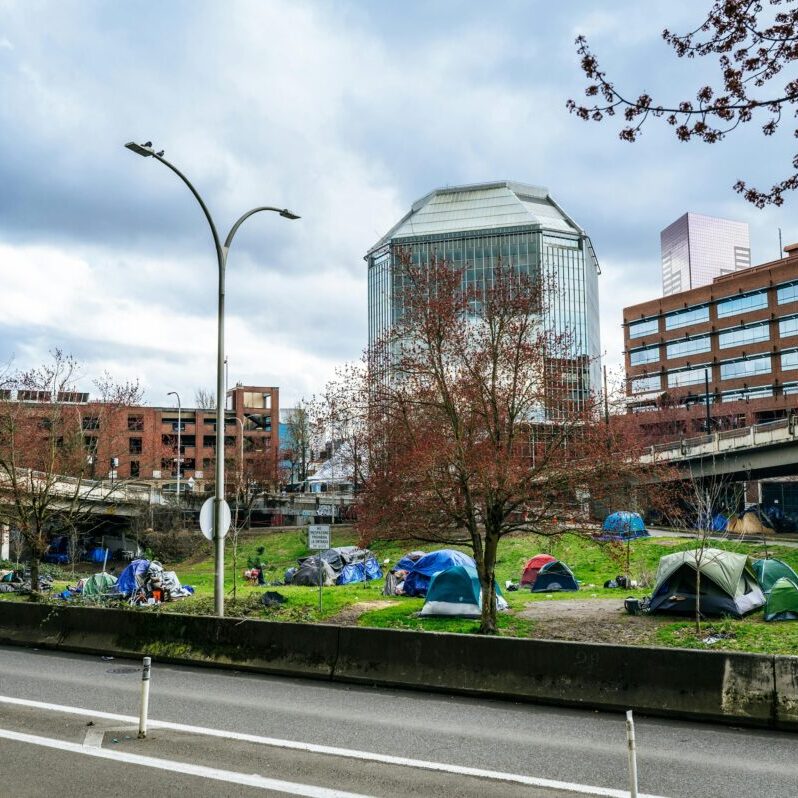
Homeless encampments can contain biohazards such as human waste, needles, contaminated debris, and environmental hazards. These sites require trained professionals to safely remediate and restore the area.
Baxter Biohazard provides homeless camp cleanup and decontamination services throughout Washington State.
24/7/365 Availability. Competent. Compassionate. Trusted.

If you are experiencing an emergency, call us 24/7.
First Response Team
Emergencies don't wait, and neither do we. Baxcon's First Response Team operates 24/7/365, ensuring that we're on-site the same day you call to assess and manage your restoration needs.
Our First Response Team guarantees:
- 24/7/365 emergency response
- 1 hour or less reply time
- On-site the same day you call
- Site security, tarping & board-up
- Packing, cleaning & storing the building contents
- Assisting with any insurance claims & documentation
- Balancing professional expertise with emotional support
Whether you're dealing with a crime scene, trauma, or hazardous materials, we can provide immediate and professional support.
1. What Are Homeless Camp Clean Up Services & When Is It Needed?
Homeless camp clean up is the professional removal, decontamination, and disposal of hazardous and biohazardous materials found at encampment sites.
These camps may be located on public land, private property, wooded areas, transportation corridors, industrial zones, or near residential and commercial spaces.
Unlike basic debris removal, homeless camp clean up addresses hidden and high-risk contamination that often remains after an encampment has been vacated. These hazards can persist long after tents and trash are removed, creating ongoing health and safety risks for workers, the public, and property owners.

Homeless camp clean up is typically needed when:
- An encampment has been voluntarily vacated
- A site has been cleared by local authorities
- Property owners need to reclaim or restore land
- Public health or safety concerns have been reported
- Drug activity, fires, or medical emergencies occurred on-site
- Development, construction, or restoration is planned
Encampments often develop over extended periods of time, allowing contamination to spread into soil, structures, vegetation, and surrounding surfaces. Human waste, bodily fluids, needles, and drug residue can seep into porous materials and remain hazardous without proper remediation.
Professional homeless camp clean up ensures the site is not only cleared, but properly disinfected, documented, and compliant, reducing liability and preventing future exposure risks.
At Baxter Biohazard, we believe that handling biohazards is about more than just cleaning; it's about protecting your health, restoring your environment, and minimizing emotional and physical risks.
2. Why Is It Dangerous to Handle Homeless Camp Clean Up Without a Professional?
Attempting homeless camp clean up without professional training and equipment puts individuals and organizations at serious risk.
Many of the dangers present at encampment sites are not immediately visible and require certified handling to prevent exposure and contamination.
Common hazards found during homeless camp clean up include:

Serious Health Risks
Homeless camps often contain biological contamination that is not immediately visible and poses serious health risks, including:
- Human waste, urine, and fecal matter absorbed into soil and debris
- Blood and bodily fluids on clothing, bedding, and personal items
- Bacteria, viruses, and pathogens that can remain active long after the site is vacated
- Contaminated surfaces that appear clean but have not been disinfected
Handling these materials without professional PPE and decontamination protocols can result in:
- Direct skin contact with infectious material
- Inhalation of contaminated dust or particles
- Accidental cross-contamination to vehicles, tools, or nearby areas
Professional homeless camp clean up ensures biological hazards are properly identified, removed, and disinfected to restore the site safely.
Drug Contamination, Sharps, and Chemical Exposure
Drug activity significantly increases the danger of homeless camp clean up and is one of the most common causes of injury during improper cleanup efforts.
Common risks include:
- Used needles, syringes, and sharps hidden under debris or soil
- High risk of needlestick injuries without puncture-resistant containers
- Fentanyl and methamphetamine residue on surfaces, debris, and personal items
- Airborne exposure when contaminated materials are disturbed
Without professional training and equipment, exposure can occur through:
- Skin absorption
- Inhalation of airborne particles
- Accidental contact with contaminated materials
Certified cleanup teams use full-face respirators, air filtration, and state-approved drug decontamination protocols to safely manage these hazards.
Environmental, Legal, and Liability Risks
Improper homeless camp clean up can create serious legal and environmental consequences for property owners and agencies.
Risks include:
- Improper disposal of biohazard or drug-contaminated waste
- Environmental contamination of soil, water, or surrounding land
- Violations of local, state, or federal regulations
- Fines, penalties, or cleanup orders due to non-compliance
Liability concerns may include:
- Injury to workers, contractors, or the public after incomplete cleanup
- Ongoing exposure risks at a site that appears clean but is not decontaminated
- Lack of documentation to prove proper remediation occurred
Professional homeless camp clean up includes regulated disposal, compliance documentation, and clear records that protect property owners and agencies from future liability.
3. Why Choose Baxter Biohazard for Homeless Camp Cleanup Services?
Choosing the right cleanup company matters when health, safety, and compliance are on the line.
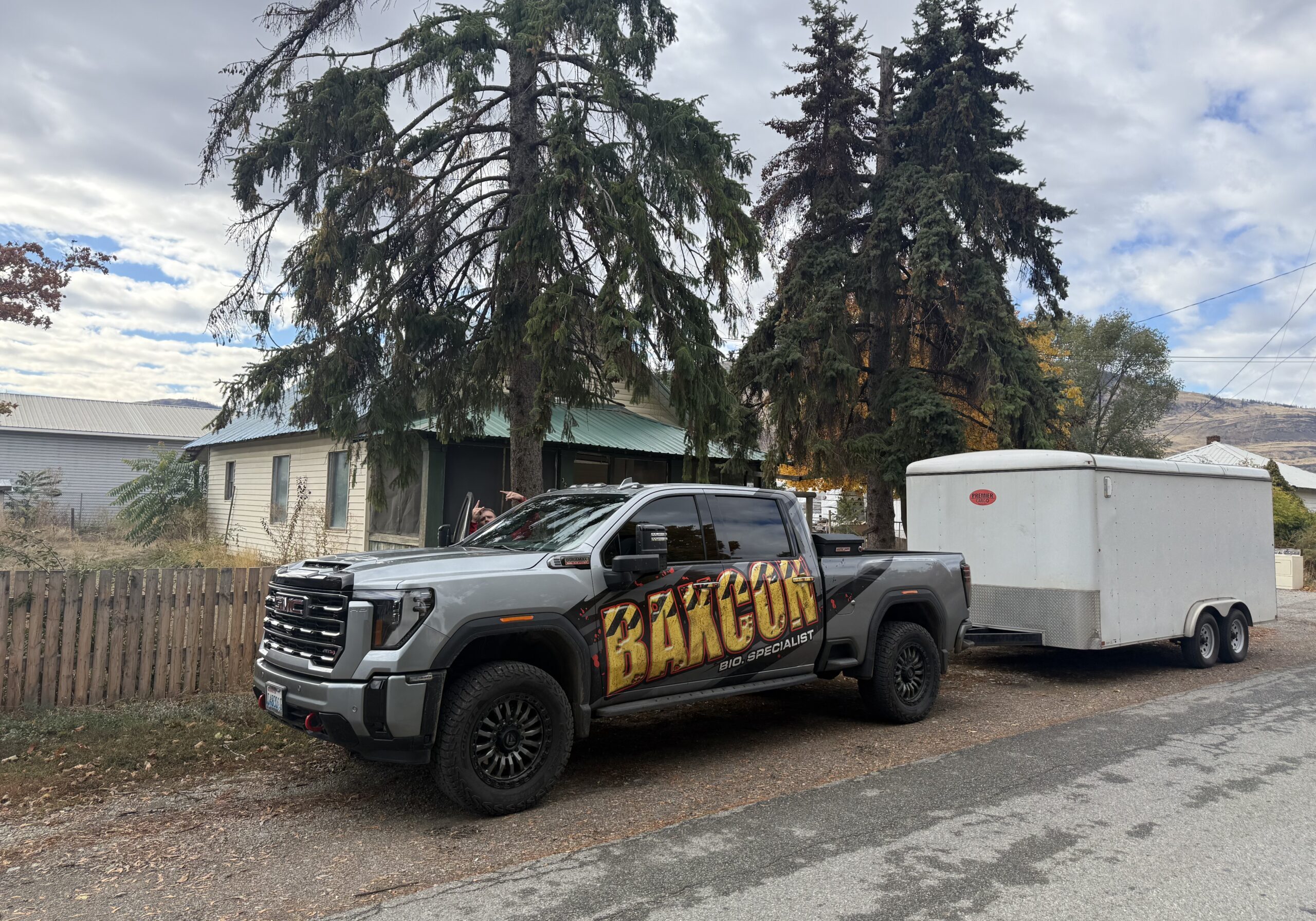
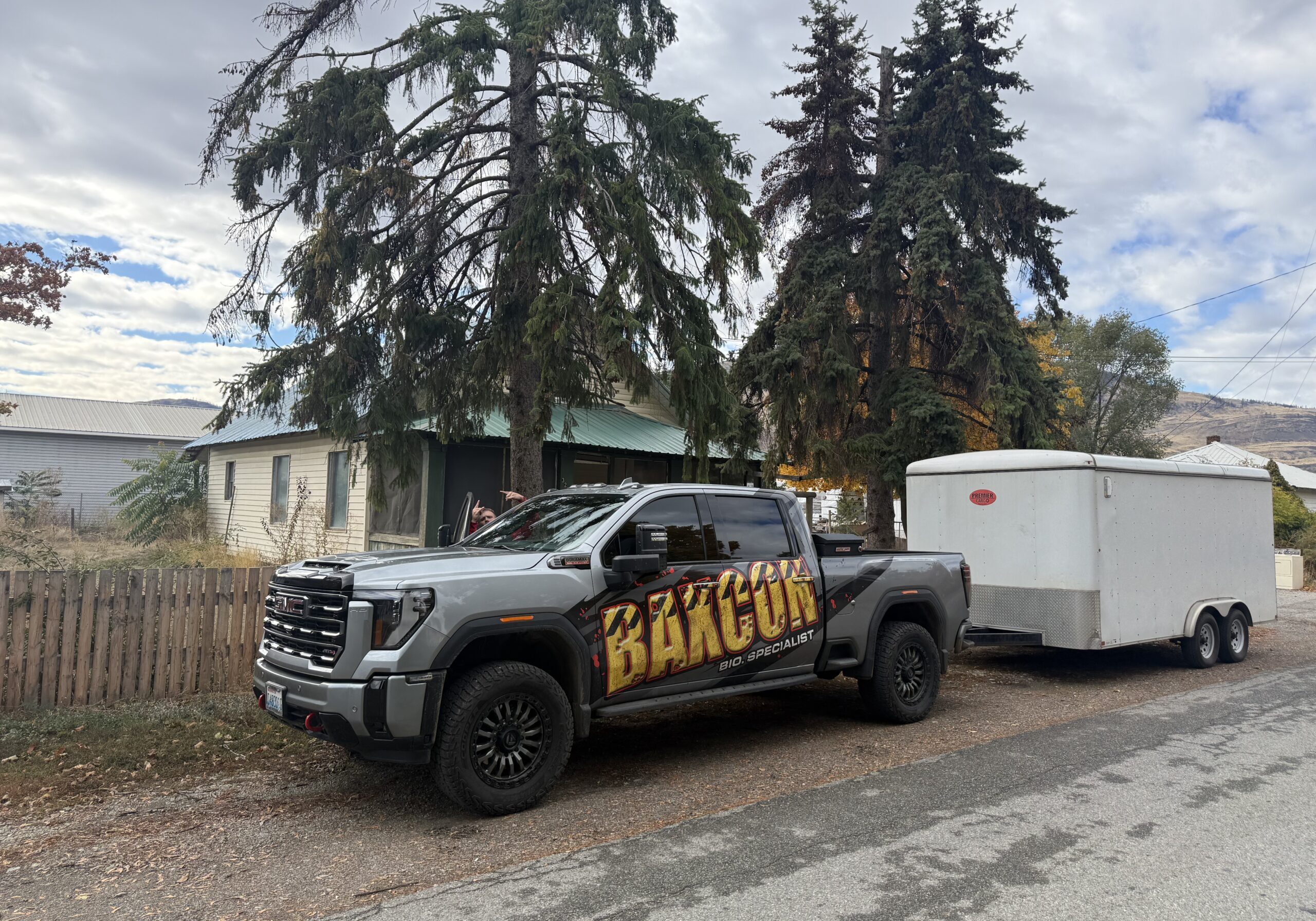
Baxter Biohazard is a trusted provider and a local, family-owned company serving communities throughout Washington State, backed by the experience and infrastructure of Baxter Construction & Restoration.
Certified, Compliant, & Highly Trained
Our technicians are IICRC certified and state certified for methamphetamine and fentanyl decontamination.
We follow OSHA, EPA, and Washington State regulations, using proper PPE, containment, and industry-approved remediation methods to ensure every cleanup is completed safely and correctly.
Specialized Expertise with Fast, Reliable Response
We handle situations that standard cleaners and contractors cannot, including bloodborne pathogens, drug residue, sharps, human waste, and hazardous materials.
Emergencies don’t follow a schedule, which is why we provide rapid response and flexible scheduling to reduce exposure risks, property damage, and downtime.

Discreet, Compassionate, and Trusted
Many cleanup situations involve trauma, loss, or sensitive circumstances. We work with professionalism and discretion, ensuring all hazardous waste is properly packaged, transported, and disposed of according to state and local regulations.
Baxter Biohazard is trusted by law enforcement, government agencies, property managers, businesses, and families across Washington State for consistent, high-quality service.
4. Our Step-By-Step Homeless Camp Clean Up Process
Crime scene and trauma cleanup requires a structured, compliant process designed to protect health, prevent cross-contamination, and ensure no affected material is overlooked.
Once a scene is released by law enforcement, our trained technicians follow a clear step-by-step approach using specialized equipment, protective gear, and hospital-grade disinfectants.
Step 1: Scene Release & Authorization
Cleanup begins only after:
-
Law enforcement has removed the body
-
Investigations or inspections are complete
-
Police or authorities formally release the scene
We receive authorization to proceed before any work begins.
Step 2: Documentation & Assessment
Our team:
-
Photographs the affected areas
-
Identifies all contaminated surfaces and materials
-
Documents the extent of biohazard exposure
This documentation supports insurance claims and ensures nothing is missed.
Step 3: Safety & Containment
Technicians suit up in full PPE, including:
-
Full-body protective suits
-
Full-face respirators
-
Gloves and protective boots
We establish containment zones to prevent cross-contamination and protect unaffected areas of the property.
Step 4: Pre-Sanitization & Protection
Before removal begins:
-
Affected areas are pre-sanitized
-
Furniture and contents are wrapped in protective plastic
-
Items that can be salvaged are isolated and protected
Step 5: Removal of Contaminated Materials
We remove and properly dispose of materials that cannot be safely cleaned, including:
-
Carpet and padding
-
Drywall and insulation
-
Particle board or subflooring
-
Severely contaminated contents
This allows us to access and sanitize behind and beneath affected materials.
Step 6: Deep Cleaning, Sanitization & Odor Control
Once materials are removed:
-
All exposed surfaces are thoroughly cleaned
-
Hospital-grade disinfectants are applied
-
Odor-neutralizing treatments are used as needed
Our goal is not just cleanliness, but biological safety.
Step 7: Final Sealing & Clearance
After sanitization:
-
Surfaces are sealed as needed
-
The area is cleared for re-occupancy
-
Final documentation is completed
At this point, the space is returned to the homeowner or property manager.
Step 8: Repair & Restoration (If Requested)
If repairs are needed, we can:
-
Coordinate rebuild services
-
Restore affected areas
-
Return the space to pre-loss condition
This integrated approach saves time, reduces stress, and ensures continuity of care.