Professional Virus Clean up Services in Washington
Virus contamination can turn homes, workplaces, and public spaces into serious health risks. Professional cleanup goes beyond surface cleaning to properly disinfect and neutralize harmful pathogens.
Baxter Biohazard provides thorough virus cleanup services across Washington State.
24/7/365 Availability. Competent. Compassionate. Trusted.

If you are experiencing an emergency, call us 24/7.
First Response Team
Emergencies don't wait, and neither do we. Baxcon's First Response Team operates 24/7/365, ensuring that we're on-site the same day you call to assess and manage your restoration needs.
Our First Response Team guarantees:
- 24/7/365 emergency response
- 1 hour or less reply time
- On-site the same day you call
- Site security, tarping & board-up
- Packing, cleaning & storing the building contents
- Assisting with any insurance claims & documentation
- Balancing professional expertise with emotional support
Whether you're dealing with a crime scene, trauma, or hazardous materials, we can provide immediate and professional support.
1. What Are Virus Clean up Services & When Is It Needed?
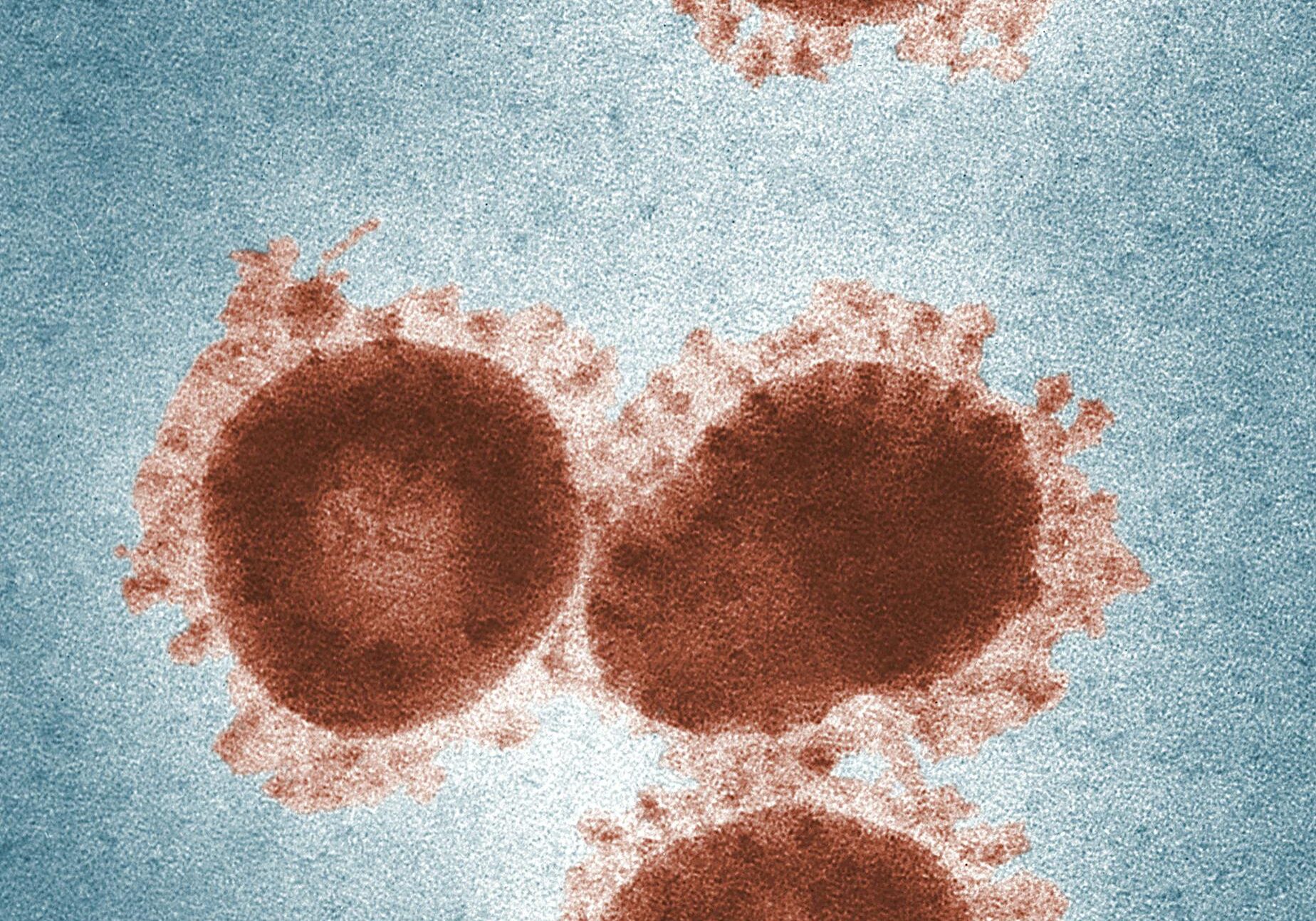
Virus clean up is a specialized biohazard remediation service focused on identifying, disinfecting, and removing viral contamination from indoor environments.
Unlike standard janitorial cleaning, virus clean up follows regulated procedures designed to reduce the risk of disease transmission and prevent cross-contamination.
This service is necessary when a space has been exposed to contagious viruses through bodily fluids, prolonged occupancy, or confirmed infection cases. Because viruses are invisible to the naked eye, professional assessment and treatment are critical to ensuring safety.
Common situations that require virus clean up include
- Exposure following confirmed or suspected viral illness
- Cleanup after deaths involving infectious diseases
- Healthcare, assisted living, or caregiving environments
- Schools, offices, and public buildings after outbreaks
- Homeless encampments or transient living areas
- Hoarding environments with biological contamination
- Emergency response scenes involving bodily fluids
- Commercial facilities requiring compliance documentation
Viruses can survive on surfaces for hours—or even days—depending on environmental conditions and materials involved. Porous surfaces such as carpet, fabric, drywall, and particle board are especially vulnerable and may require removal rather than surface treatment.
Virus clean up is not about aesthetics. It is about risk mitigation, health protection, and regulatory compliance. Without professional intervention, contaminated spaces can continue spreading illness long after the visible mess is gone.
At Baxter Biohazard, we believe that handling biohazards is about more than just cleaning; it's about protecting your health, restoring your environment, and minimizing emotional and physical risks.
2. Why It’s Dangerous to Handle Virus Cleanup Without a Professional?
Attempting virus clean up without professional training and equipment can put occupants, cleaners, and property owners at serious risk.
Household disinfectants, store-bought PPE, and standard cleaning methods are not designed to neutralize high-risk pathogens or prevent cross-contamination.

Invisible contamination
Viruses are microscopic. Surfaces may appear clean while still harboring active pathogens capable of spreading illness.
Improper disinfectants
Not all cleaners are effective against viruses. Many consumer products lack the dwell time, concentration, or spectrum needed for proper disinfection.
Cross-contamination
Without containment protocols, viruses can spread through HVAC systems, foot traffic, cleaning tools, or clothing—making the problem worse.
Personal exposure
Handling contaminated materials without full protective gear increases the risk of inhalation, skin contact, or accidental ingestion.
Improper disposal
Virus-contaminated waste must be handled and disposed of according to biohazard regulations. Improper disposal can result in fines or additional exposure.
Liability and compliance issues
Businesses, landlords, and property managers may be legally responsible for ensuring proper remediation. Improper cleanup can create liability if illness spreads.
Professional virus clean up teams follow strict protocols to isolate contaminated areas, remove affected materials safely, and restore the environment without putting others at risk.
3. Why Choose Baxter Biohazard for Virus Cleanup Services?
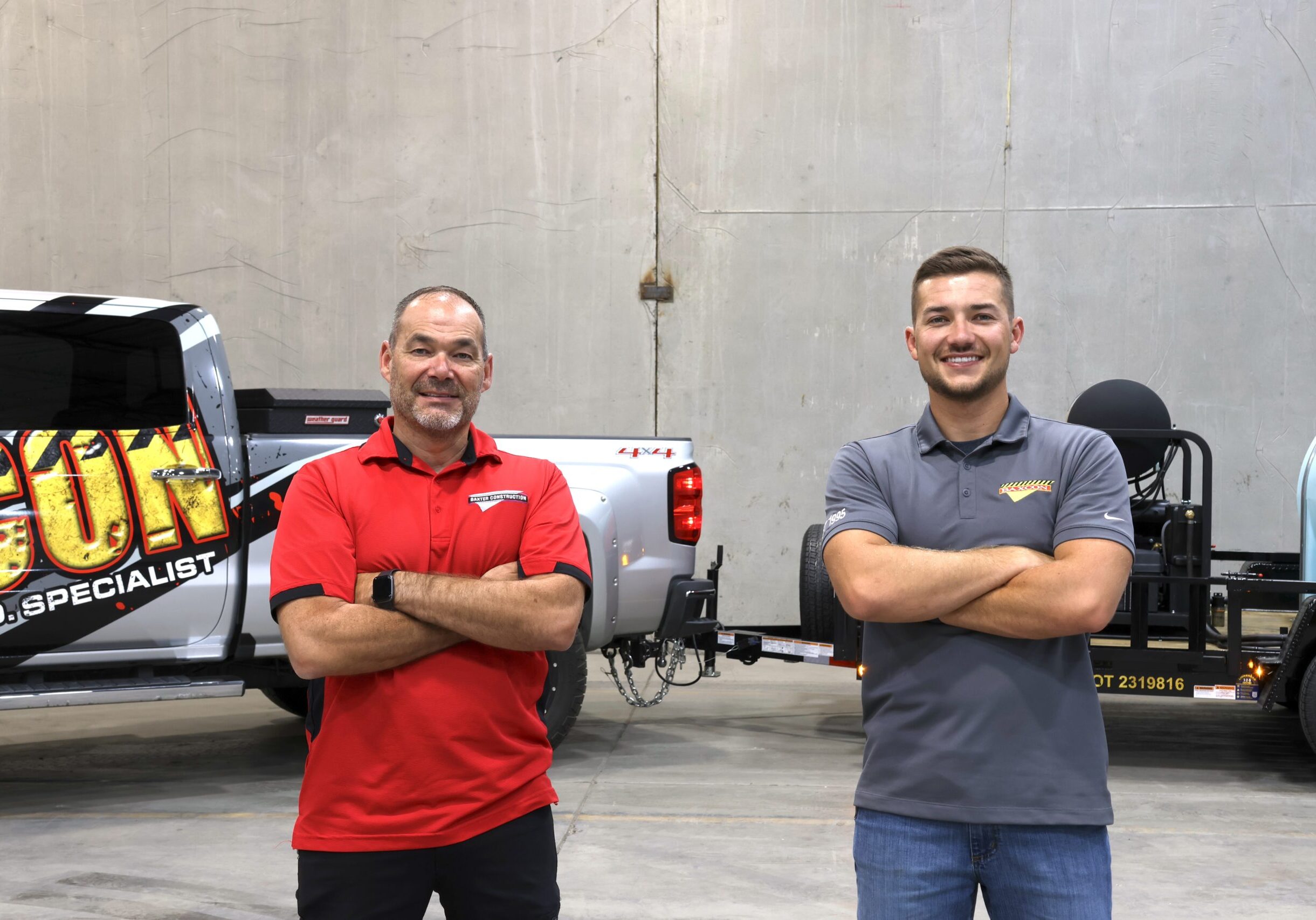
When you’re dealing with virus contamination, you need more than a cleaning company—you need trained professionals who understand biohazards, compliance, and compassionate service. Baxter Biohazard brings the experience and infrastructure of a full restoration company with the focus and discretion of a specialized biohazard team.
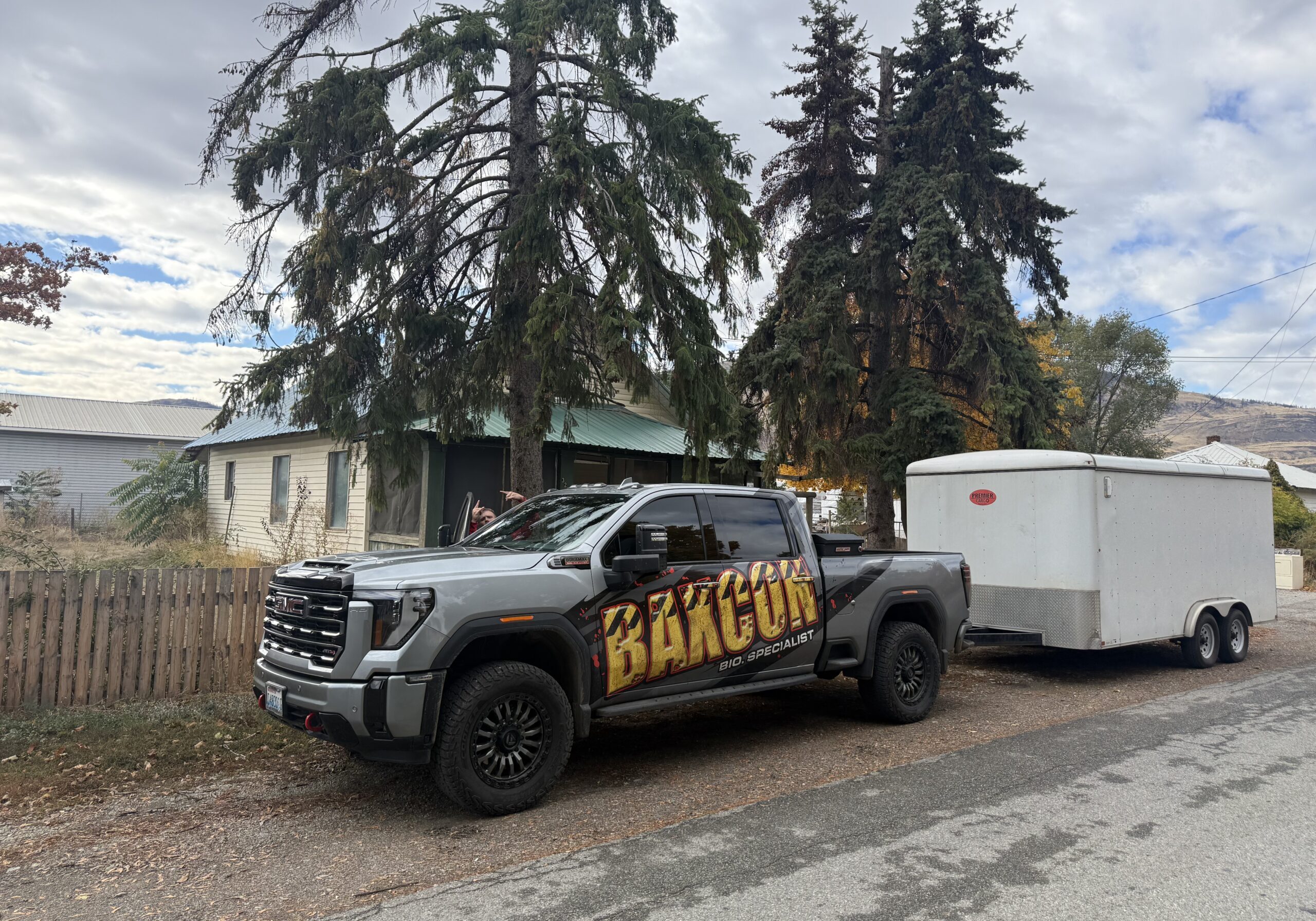
We are a local, family-owned company serving Yakima and communities throughout Washington State, backed by the experience and infrastructure of Baxter Construction & Restoration.
Specialized Training & Certifications
Our technicians are trained in biohazard remediation, pathogen control, and OSHA-compliant safety procedures. We follow industry-recognized standards for virus clean up, including proper PPE use, containment, disinfection methods, and waste handling.
24/7 Emergency Response
Virus exposure doesn’t wait for business hours. Baxter Biohazard offers 24/7 emergency response, allowing us to mobilize quickly when time matters most. Rapid response helps reduce exposure risks, limits downtime, and protects occupants sooner.
4. Our Step-By-Step Virus Clean up Process
Every virus clean up situation is handled with a clear, structured process designed to protect health, minimize disruption, and ensure proper documentation.
While no two situations are identical, Baxter Biohazard follows a consistent, proven approach so clients always know what to expect.
Step 1: Receive the Call & Gather Initial Details
The process begins the moment we receive your call. We gather critical information about the situation, including the type of exposure, the size of the affected area, and any immediate safety concerns.
This allows us to prepare the appropriate equipment and personnel before arrival.
Virus clean up often involves urgency, and our goal is to respond quickly while ensuring the right level of protection and containment from the start.
Step 5: Professional Virus Clean Up & Decontamination
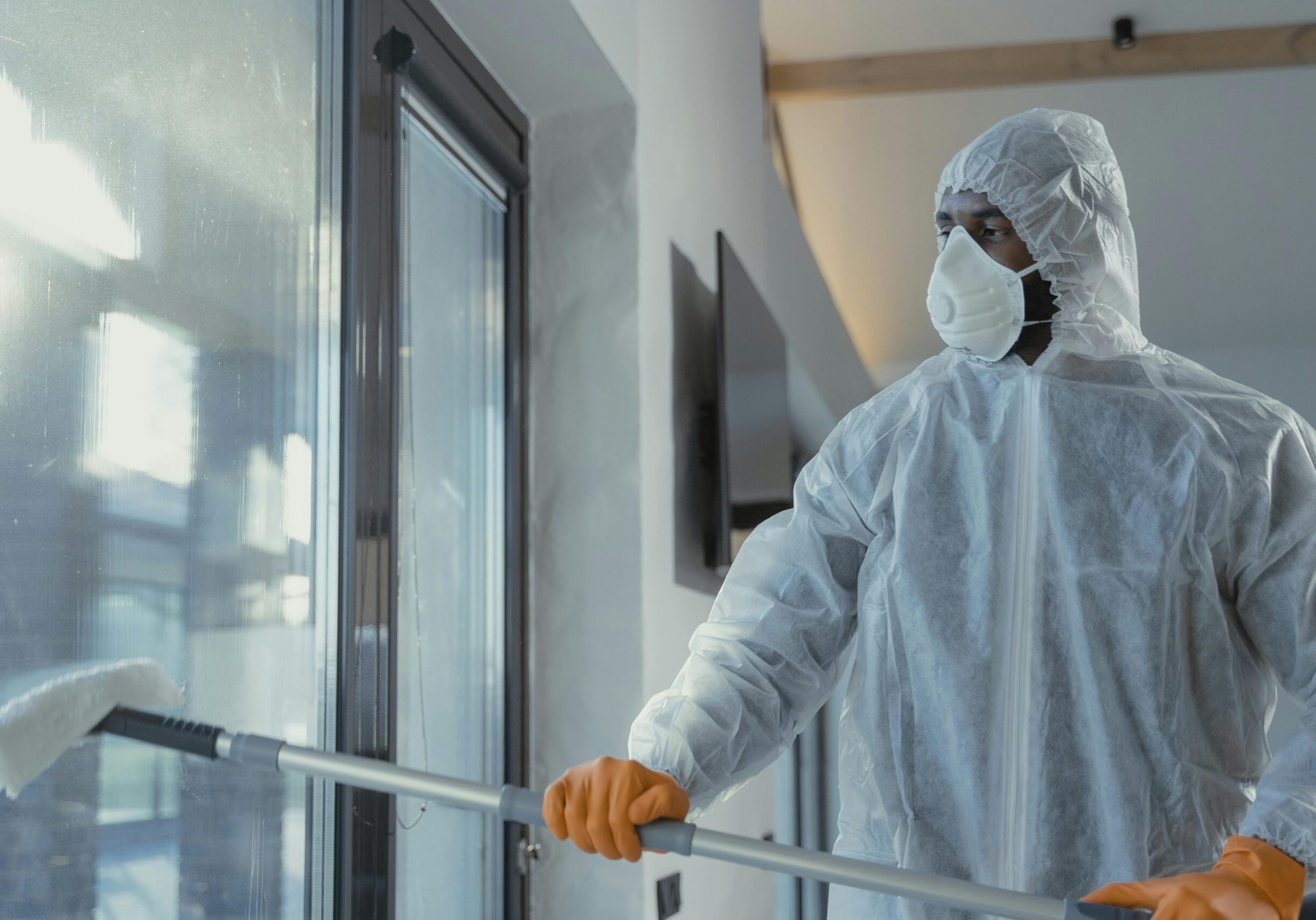
Once approved, cleanup begins immediately. Our technicians use full protective equipment and professional-grade tools, including:
- Full-face respirators
- Tyvek and hazmat suits
- Gloves and protective footwear
- Air filtration and negative air machines
- Decontamination fog and disinfectant treatments
We clean, disinfect, and decontaminate affected surfaces using virus-effective, hospital-grade products. Porous materials that cannot be safely disinfected are removed and handled as regulated hazardous waste.
Step 2: Arrival & Site Entry
Our team arrives promptly at the property and establishes safe entry procedures.
If necessary, we limit access to affected areas to prevent further exposure or cross-contamination.
Discretion and professionalism are maintained throughout the entire visit.
Step 6: Documentation & Insurance Coordination
After cleanup is complete, we document the entire process. This includes the scope of work performed, materials removed, and treatments applied.
If insurance is involved, we assist with documentation and work directly with insurance providers during the following weeks to help support the claim process and reduce stress for the client.
Step 3: Damage & Contamination Assessment
Once on site, we perform a detailed assessment of the space.
This includes identifying contaminated surfaces, materials that may need to be removed, airflow considerations, and any odor or biological concerns.
Because viral contamination is not always visible, this assessment is critical to ensuring nothing is missed.
Step 7: Final Treatment, Odor Control & Hazardous Material Removal
As a final step, we address any lingering odors and ensure all hazardous materials have been properly removed and disposed of according to regulations.
Final treatments help ensure the space is safe, neutralized, and ready for re-occupancy.
In most virus clean up cases, our team is in and out the same day, minimizing disruption while maintaining a high standard of safety and thoroughness.
Step 4: Client Walkthrough, Timeline & Quote
Before work begins, we walk the client through our findings. We explain:
- What areas are affected
- What the cleanup process will involve
- How long the virus clean up is expected to take
- What materials may need to be removed
- What can typically be restored the same day
A clear quote is provided so there are no surprises. Transparency is a priority—clients understand the process before we move forward.